
Role
Outcome
Closed (project discontinued)
Stack
Django · DRF · Celery · CloudPayments
What this proves
Selected work from the build
- Multi-app Django REST backend covering projects, specialists, requests, reviews, and blog
- Robust media handling (uploads, limits, cleanup) and engagement tracking
- Payments and promotions with CloudPayments + feature lifecycle automation
Visuals
Product walkthrough
Tap or click the preview to open it fullscreen.
Case study
A closer look at the problem, implementation choices, and outcome.
Quick facts
- Role: Backend developer (built v1 backend + initial release)
- Timeframe: V1 build through initial launch
- Platform: Web platform backend (Django REST)
- Status: Closed (project discontinued)
- Team: Backend role within a product team
Summary
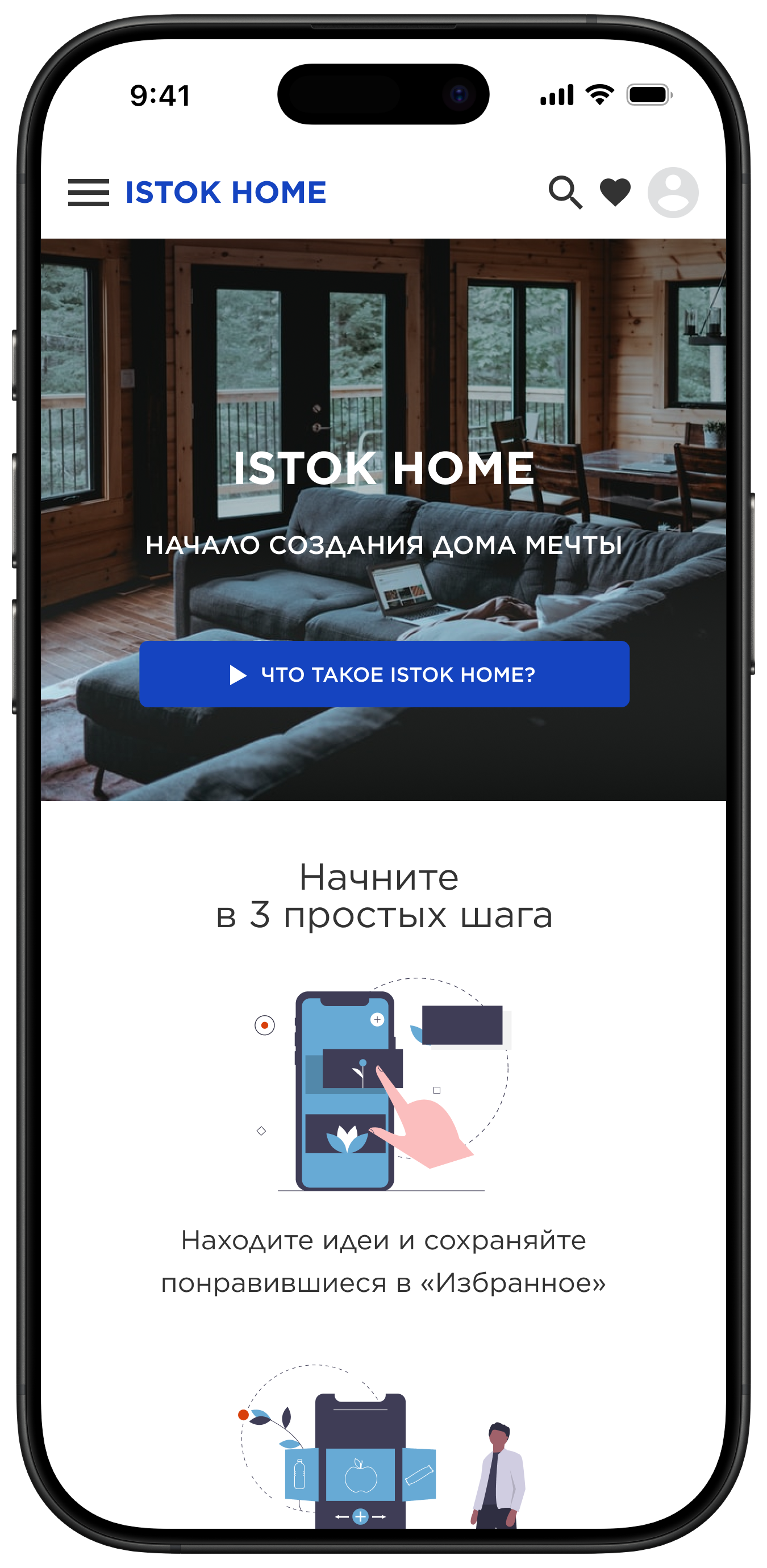
ISTOK HOME was a marketplace for home services where users could browse projects, discover specialists, send requests, and leave verified reviews after completion. I built the backend for the first version and supported the initial release, including search, media-heavy project flows, role-based accounts, and paid promotions for specialists/projects. Key highlights:
- Multi-app Django REST backend covering projects, specialists, requests, reviews, and blog
- Robust media handling (uploads, limits, cleanup) and engagement tracking
- Payments and promotions with CloudPayments + feature lifecycle automation
Problem
- Marketplace flows require strict state and permissions: client vs specialist roles, request lifecycle, and verified reviews.
- Projects are media-heavy and filter/search-heavy, so APIs must be fast and consistent.
- Monetization needed paid visibility (Top/Detailed, PRO) with safe payment processing and expiry handling.
Solution
I implemented a modular Django REST backend with clear domain separation (projects/search, profiles/applications, users/catalog, payments, blog). The system supports discovery via filters and search, request submission and completion, review publishing with confirmation, and paid promotion features with lifecycle tasks and notifications.
- Built an admin-friendly backend with rich Django Admin tools for moderation and content ops
Architecture
- Django project split into domain apps: main, users, profiles, payments, blog
- REST API via DRF ViewSets/serializers with list/search/detail endpoints
- Role-based user model and profiles (client vs merchant) with JWT auth
- Media pipeline for project documents and attachments (multipart parsing, validation, cleanup)
- Engagement tracking models (views, favorites, to_profile_count) exposed through serializers
- Payments module integrating CloudPayments + 3DS flows via templates and callbacks
- Celery tasks + signals for feature lifecycle (expiry, deactivation, notifications) and media processing
- Deployed behind NGINX + Gunicorn on Linux
Hard problems solved
- Designed project create/update APIs that handle add/delete media in one request while enforcing strict limits (min 1, max 12)
- Implemented promotion state as paid features with start/end dates and server-derived “is_top/is_detailed” flags via signals
- Built statistics endpoints for paid features (7/30 days) aggregating daily views and applications
- Implemented verified review flow tied to request completion and role-specific “finish” logic
- Handled 3DS payment confirmation and transaction recording without trusting client-side state
- Built idempotent favorites toggling and consistent “favorite status” computation across list/detail views
- Automated operational hygiene: media cleanup on deletions, notification dispatch, and feature expiry reminders
Impact / Results
- Delivered the backend for v1 and supported the platform’s initial release
- Enabled core marketplace loops: discovery → request → completion → verified review
- Shipped monetization primitives (PRO and project promotions) with payment verification and lifecycle automation
Tech stack
- iOS: N/A
- Architecture: Django REST Framework, multi-app domain split, JWT auth, Celery tasks + signals
- Backend/Infra: PostgreSQL (implied), CloudPayments + 3DS, NGINX, Gunicorn, Linux
- Tooling: Docker, Django Admin, DRF routers/serializers



Contact
Need this kind of app work?
Tell me what you’re shipping, stabilizing, or modernizing.
Dan Kurman · Daniyar Kurmanbayev